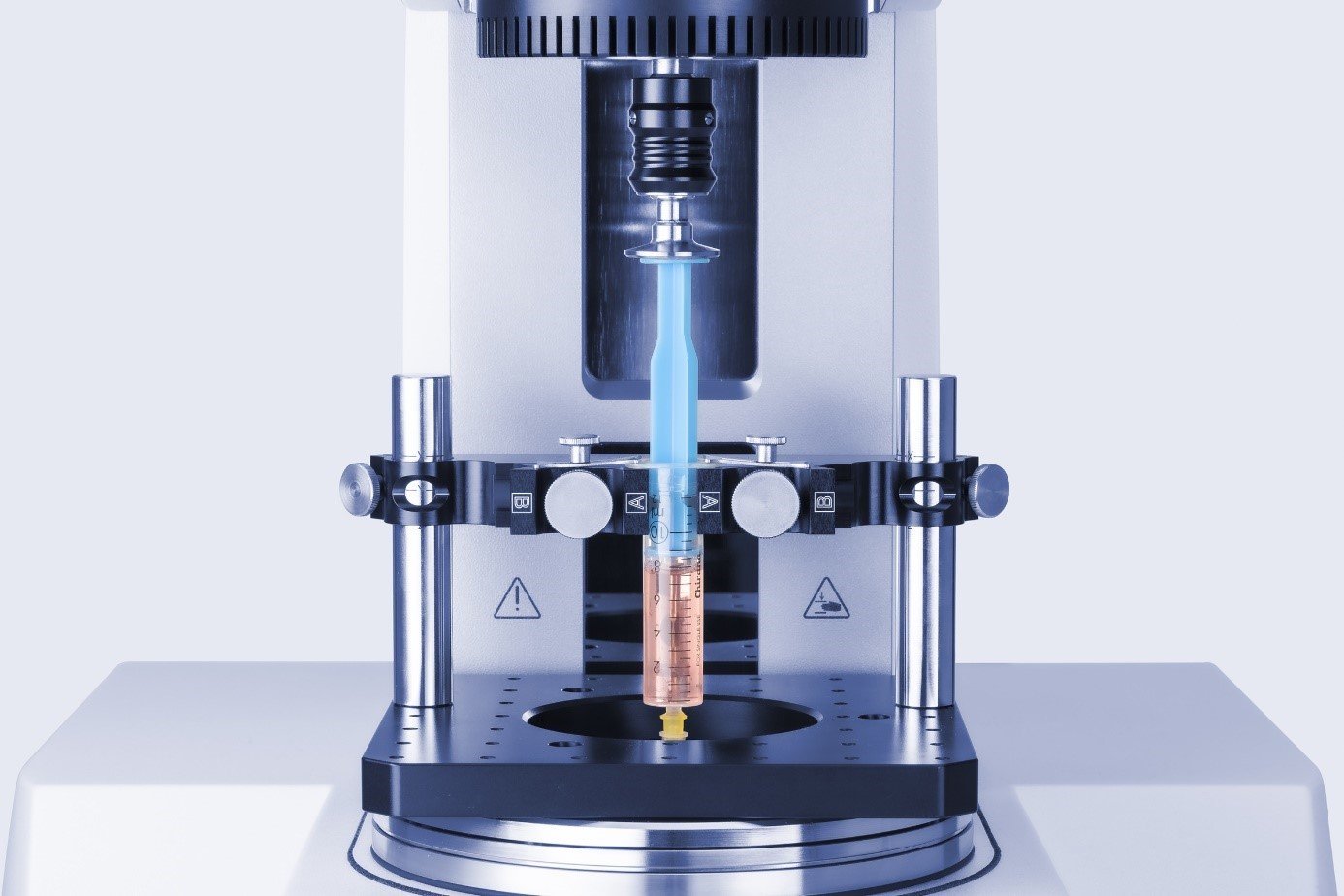
Top Mechanical Testing Methods Used in Modern Manufacturing

Modern industries depend heavily on mechanical testing to ensure that materials and manufactured components meet strict quality, durability, and safety standards. From aerospace and automotive engineering to construction and electronics, manufacturers rely on accurate testing procedures to evaluate how materials behave under different physical forces and environmental conditions.
As production technologies continue to evolve, the importance of mechanical testing has grown significantly. Companies now require advanced testing methods to improve product performance, reduce failures, maintain compliance, and increase customer trust. Whether testing metals, plastics, composites, or ceramics, these methods help manufacturers identify weaknesses before products reach the market.
In this article, we will explore the top mechanical testing methods used in modern manufacturing, their importance, applications, and how they contribute to quality assurance and industrial innovation.
What Is Mechanical Testing and Why Is It Important?
Mechanical testing refers to a series of scientific procedures used to determine the physical and mechanical properties of materials. These tests measure how materials respond to forces such as tension, compression, impact, bending, hardness, and fatigue. Manufacturers use this data to evaluate whether a material is suitable for a particular application.
In modern manufacturing, product reliability is non-negotiable. A weak material can lead to structural failures, safety hazards, financial losses, and reputational damage. Mechanical testing helps industries avoid these issues by ensuring materials meet predefined standards and specifications before they are used in production.
Another major advantage of mechanical testing is quality control. Manufacturers can compare test results against industry standards such as ASTM, ISO, and DIN to verify consistency across batches. This is especially critical in industries like aerospace, medical devices, oil and gas, and automotive manufacturing, where even a small defect can have serious consequences.
Mechanical testing also supports research and development. Engineers use testing data to improve material composition, optimize manufacturing processes, and develop innovative products with better strength, flexibility, and durability. Additionally, testing allows manufacturers to predict how products will behave under real-world operating conditions, helping extend service life and reduce maintenance costs.
The growing demand for lightweight yet strong materials has further increased the importance of mechanical testing. Advanced alloys, composites, and engineered plastics require precise testing to validate their performance. Without proper mechanical testing, manufacturers would struggle to maintain product reliability and safety in today’s competitive market.
Tensile Testing: Measuring Strength and Elasticity
One of the most widely used mechanical testing methods in manufacturing is tensile testing. This test measures how a material reacts when subjected to a pulling force until it breaks. Tensile testing provides valuable information about a material’s strength, ductility, elasticity, and elongation properties.
During the process, a sample material is placed inside a universal testing machine. The machine gradually applies tension until the specimen fractures. Engineers record critical data such as ultimate tensile strength, yield strength, and percentage elongation. These measurements help determine whether the material can withstand operational loads without failing.
Tensile testing is extremely important in industries that require structural integrity. For example, automotive manufacturers use tensile testing to evaluate steel and aluminum components used in vehicle frames. Aerospace companies test aircraft materials to ensure they can handle extreme stress during flight. Construction firms also rely on tensile testing for beams, cables, and reinforcement materials.
One major advantage of tensile testing is its ability to reveal both elastic and plastic deformation behavior. Elastic deformation occurs when a material returns to its original shape after the load is removed, while plastic deformation indicates permanent shape changes. Understanding these properties allows engineers to select materials suitable for different manufacturing applications.
Modern tensile testing equipment often includes digital monitoring systems and software analysis tools that provide precise and repeatable results. Advanced machines can even simulate real-world conditions such as temperature variations and strain rates. This makes tensile testing a critical part of quality assurance and product development.
Because tensile testing provides detailed mechanical property data, it remains one of the foundational methods in modern mechanical testing laboratories worldwide.
Hardness Testing: Evaluating Surface Resistance
Hardness testing is another essential form of mechanical testing used extensively in manufacturing industries. This method measures a material’s resistance to indentation, scratching, wear, or penetration. Hardness directly affects a material’s durability and ability to withstand operational stress over time.
Several hardness testing methods are commonly used, including Rockwell, Brinell, and Vickers testing. Each method uses a different type of indenter and load depending on the material being tested. For example, Rockwell testing is often used for metals because it provides quick and reliable measurements, while Vickers testing is suitable for thin materials and coatings.
In manufacturing environments, hardness testing plays a major role in quality control. Heat-treated metals, machine parts, gears, bearings, and cutting tools are frequently tested to ensure they meet required hardness specifications. If a component is too soft, it may wear out quickly. If it is too hard, it may become brittle and prone to cracking.
Hardness testing is especially valuable because it is relatively fast, cost-effective, and often non-destructive. Manufacturers can quickly verify material consistency during production without causing significant damage to the tested components. This improves production efficiency while maintaining product reliability.
Additionally, hardness testing helps engineers estimate other mechanical properties such as tensile strength and wear resistance. In industries like mining, construction, and heavy machinery, understanding hardness characteristics is critical for selecting materials that can withstand abrasive operating environments.
Modern digital hardness testers provide automated readings and data storage, improving accuracy and reducing human error. Combined with advanced material analysis techniques, hardness testing continues to be one of the most practical and widely applied mechanical testing methods in industrial manufacturing.
Read Also: How Tech Helps Fight Climate Change
Impact and Fatigue Testing: Ensuring Long-Term Durability
In modern manufacturing, products are often exposed to repeated stress, sudden shocks, and harsh operating conditions. This is why impact and fatigue testing are essential forms of mechanical testing used to evaluate long-term durability and reliability.
Impact testing measures a material’s ability to absorb energy during sudden loading or shock conditions. Common methods include the Charpy and Izod impact tests, where a pendulum strikes a notched specimen to determine how much energy the material absorbs before fracturing. This test is particularly important for materials used in low-temperature environments because some materials become brittle under cold conditions.
Industries such as aerospace, automotive, shipbuilding, and construction rely heavily on impact testing to prevent catastrophic failures. For example, vehicle manufacturers perform impact testing on structural materials to improve crash safety, while pipeline companies test steel toughness to prevent fractures in extreme climates.
Fatigue testing, on the other hand, evaluates how materials perform under repeated cyclic loading over time. Many industrial failures occur not because of a single heavy load, but due to repeated stress cycles that gradually weaken the material. Fatigue testing simulates these conditions to determine the material’s fatigue life and endurance limit.
During fatigue testing, a sample undergoes repeated loading and unloading cycles until failure occurs. Engineers analyze the number of cycles the material can withstand before cracking or breaking. This information helps manufacturers predict service life and schedule maintenance more effectively.
Fatigue testing is critical for components such as aircraft wings, engine parts, bridges, rotating machinery, and medical implants. These products experience constant repetitive stress during operation, making durability testing essential for safety and performance.
With advancements in automation and sensor technology, modern fatigue testing systems can monitor crack growth, strain behavior, and environmental effects in real time. These innovations allow manufacturers to create stronger and more reliable products while reducing unexpected failures and maintenance costs.
Compression and Bend Testing in Industrial Applications
Compression and bend testing are widely used mechanical testing methods for evaluating materials that experience compressive or flexural forces during service. These tests are especially important in industries involving construction materials, packaging, plastics, ceramics, and structural engineering.
Compression testing measures a material’s ability to withstand crushing or compressive loads. During the test, a specimen is compressed between two plates until deformation or failure occurs. Engineers use the results to determine compressive strength, modulus, and deformation characteristics.
Concrete manufacturers heavily depend on compression testing because concrete structures primarily experience compressive forces. Similarly, foam products, packaging materials, and ceramics are often evaluated using this method to ensure they maintain integrity under pressure.
Bend testing, also known as flexural testing, evaluates how materials behave when subjected to bending forces. The test helps determine flexural strength, stiffness, and resistance to cracking. Materials like plastics, composites, and welded joints are frequently tested using three-point or four-point bend testing methods.
In manufacturing industries, bend testing is particularly useful for identifying defects in welds and brittle materials. Welded metal structures used in pipelines, bridges, and industrial equipment must withstand bending stresses without fracturing. Bend testing ensures these joints maintain adequate flexibility and strength.
Both compression and bend testing contribute significantly to material selection and product design. Engineers use the data to optimize structures, reduce material waste, and improve overall performance. Modern testing systems also include computerized controls and advanced analytics, allowing for more accurate and repeatable results.
As industries continue adopting lightweight and high-performance materials, compression and bend testing remain critical tools for validating safety, durability, and manufacturing quality.
Frequently Asked Questions (FAQs)
What is mechanical testing used for?
Mechanical testing is used to evaluate the physical and mechanical properties of materials, including strength, hardness, flexibility, durability, and resistance to impact or fatigue.
Why is mechanical testing important in manufacturing?
Mechanical testing helps manufacturers ensure product safety, quality, reliability, and compliance with industry standards before products are released to the market.
What are the most common mechanical testing methods?
Common methods include tensile testing, hardness testing, impact testing, fatigue testing, compression testing, and bend testing.
Which industries use mechanical testing?
Industries such as aerospace, automotive, construction, oil and gas, medical devices, manufacturing, and electronics all use mechanical testing extensively.
Is mechanical testing destructive?
Some mechanical testing methods are destructive because they push materials to failure, while others are non-destructive and cause minimal damage to the specimen.
Conclusion
Mechanical testing plays a crucial role in modern manufacturing by ensuring materials and components meet strict performance, safety, and durability standards. From tensile and hardness testing to fatigue and compression analysis, these methods provide manufacturers with valuable insights into material behavior under real-world conditions.
As industries continue advancing toward lightweight materials, automation, and high-performance engineering, the demand for accurate mechanical testing will only increase. Manufacturers that invest in reliable testing procedures can improve product quality, reduce failures, enhance customer confidence, and maintain compliance with international standards.
Ultimately, mechanical testing is not just a quality control process—it is a foundation for innovation, safety, and long-term manufacturing success.