How Digital Technology Is Transforming Ship Design

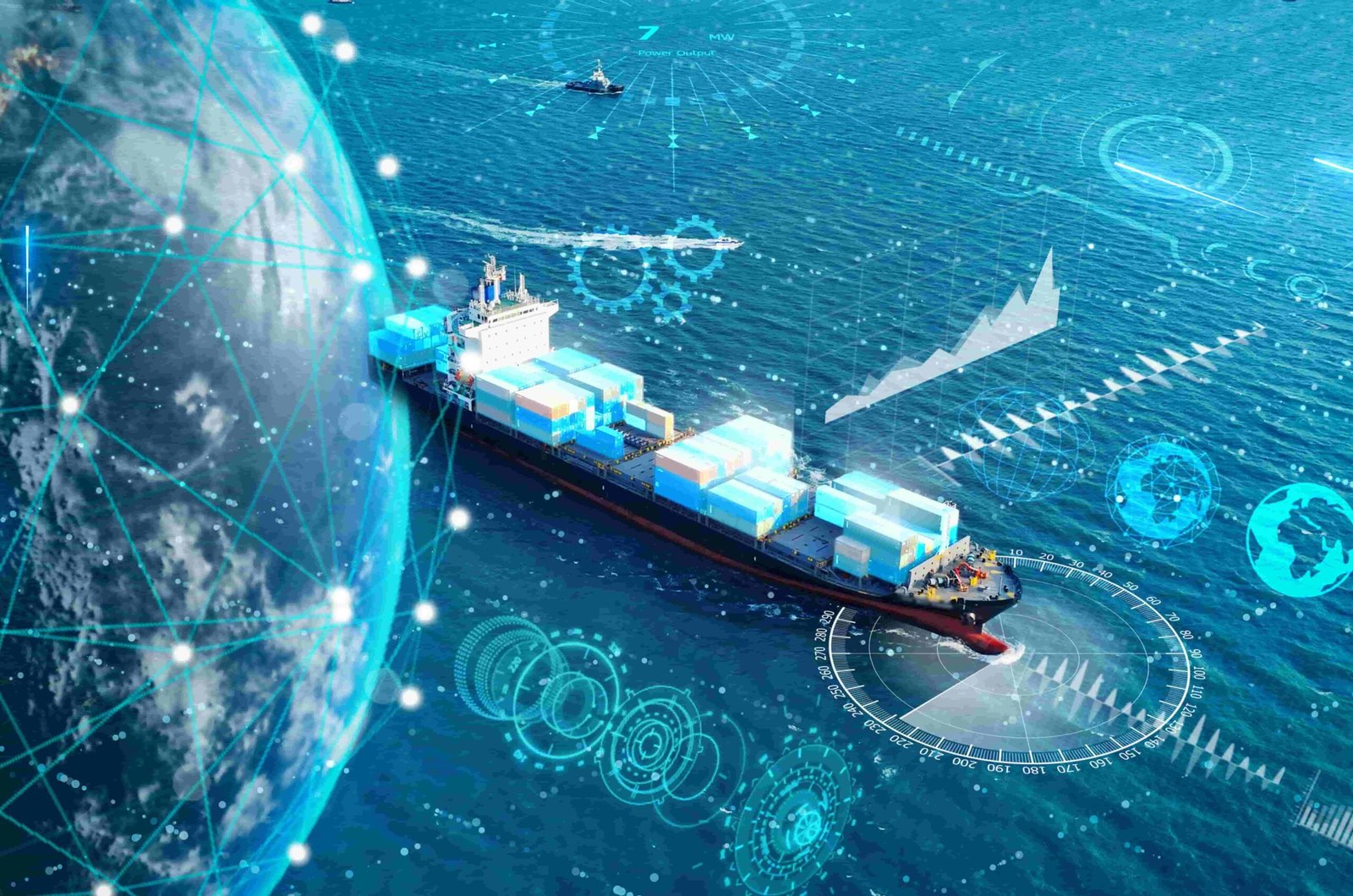
The maritime industry is experiencing a major transformation as digital innovation reshapes every aspect of modern ship design. From advanced 3D modeling software to artificial intelligence and digital twins, technology is helping naval architects and marine engineers create vessels that are safer, more efficient, and environmentally friendly. Today, shipbuilders no longer rely solely on traditional drafting methods. Instead, they use data-driven systems and smart technologies to optimize performance, reduce fuel consumption, and improve operational reliability.
As global shipping demands continue to grow, the importance of modern ship design has increased significantly. Shipping companies are looking for vessels that can meet stricter environmental regulations while maintaining high operational efficiency. Digital technology plays a vital role in achieving these goals by streamlining design processes, improving accuracy, and enabling real-time simulations before construction even begins.
The Evolution of Ship Design Through Digital Innovation
Traditional ship design involved extensive manual calculations, paper blueprints, and physical model testing. These methods were time-consuming and often led to costly design modifications during construction. However, the introduction of digital technology has completely changed how ships are designed and developed.
Computer-Aided Design (CAD) software is one of the most important technological advancements in the maritime industry. CAD allows naval architects to create detailed 3D models of ships with incredible precision. Designers can now visualize every component of a vessel before construction starts, reducing the risk of errors and improving collaboration among engineering teams. This digital approach speeds up the entire shipbuilding process and significantly lowers development costs.
Another major advancement in modern ship design is Computational Fluid Dynamics (CFD). CFD software enables engineers to simulate how water and air flow around a ship’s hull. These simulations help designers optimize hull shapes for better fuel efficiency, reduced drag, and improved stability. Instead of relying solely on expensive physical testing in water tanks, shipbuilders can now conduct virtual experiments that save both time and resources.
Digital modeling has also improved structural analysis in ship design. Engineers can use simulation tools to test how vessels will respond to extreme weather conditions, heavy cargo loads, and operational stress. By identifying weaknesses early in the design phase, shipbuilders can create safer and more durable ships.
Cloud-based collaboration tools are further transforming the industry. Shipbuilding projects often involve teams from different countries working together. Digital platforms allow designers, engineers, and manufacturers to share updates instantly, ensuring better coordination and faster decision-making. This level of connectivity has made global shipbuilding operations far more efficient than in the past.
Additionally, virtual reality (VR) and augmented reality (AR) technologies are becoming increasingly popular in the maritime sector. Designers and clients can now take virtual tours of ship interiors before construction begins. This allows stakeholders to evaluate layouts, safety systems, and operational functionality in a highly interactive way. Such technologies improve communication and reduce costly design revisions later in the project.
The rise of automation is also influencing ship design practices. Modern vessels are increasingly equipped with automated navigation systems, smart sensors, and AI-driven monitoring tools. Designers must now integrate advanced digital infrastructure into ships from the beginning of the development process. This shift has created a new generation of intelligent vessels capable of operating more efficiently and safely.
The Role of Artificial Intelligence and Big Data in Ship Design
Artificial intelligence (AI) and big data analytics are revolutionizing the future of ship design by enabling smarter decision-making and predictive engineering. These technologies allow shipbuilders to analyze massive amounts of operational data and use the insights to improve vessel performance.
AI-powered software can evaluate thousands of design variations within a short period. Instead of manually testing different concepts, engineers can use machine learning algorithms to identify the most efficient hull shapes, propulsion systems, and structural layouts. This dramatically reduces design time while improving vessel performance.
One of the most important applications of AI in ship design is predictive maintenance planning. Modern ships are equipped with sensors that continuously collect operational data, including engine performance, fuel consumption, and structural stress levels. AI systems analyze this data to predict potential failures before they occur. Designers can then use these insights to improve future vessel designs and enhance long-term reliability.
Big data is also helping optimize fuel efficiency, which is a critical concern in the maritime industry. Rising fuel costs and stricter environmental regulations have forced shipping companies to seek greener solutions. By analyzing operational data from existing vessels, engineers can design ships that consume less fuel and produce lower emissions. This contributes to sustainable shipping practices while reducing operational expenses.
Digital twin technology is another groundbreaking innovation in ship design. A digital twin is a virtual replica of a physical vessel that continuously receives real-time operational data. Engineers can monitor the digital twin to analyze ship performance, predict maintenance needs, and test modifications without affecting the actual vessel. This technology improves operational efficiency and supports better lifecycle management.
Cybersecurity has also become an important factor in modern ship design. As ships become more connected through digital systems, they face increased risks from cyber threats. Ship designers must now integrate robust cybersecurity frameworks into vessel infrastructure to protect navigation systems, communication networks, and operational data from potential attacks.
Furthermore, autonomous shipping technology is driving major changes in the maritime industry. Companies are actively developing autonomous vessels that can operate with minimal human intervention. This trend is influencing every stage of ship design, including navigation systems, sensor integration, and remote monitoring capabilities. AI-driven navigation systems can analyze weather conditions, traffic patterns, and operational risks in real time, improving both safety and efficiency.
The integration of Internet of Things (IoT) devices is also enhancing smart ship capabilities. IoT sensors collect valuable data from engines, cargo systems, and onboard equipment. Designers use this information to create vessels with better operational intelligence and improved resource management. As a result, shipping companies can achieve higher productivity and lower maintenance costs.
Read Also: How Tech Helps Fight Climate Change
Sustainability and the Future of Digital Ship Design
Environmental sustainability is now one of the biggest priorities in modern ship design. Governments and international organizations are implementing stricter regulations to reduce greenhouse gas emissions from the shipping industry. Digital technology is playing a crucial role in helping shipbuilders meet these environmental standards.
Energy-efficient hull designs are one of the primary areas of focus. Advanced simulation tools allow engineers to create hull forms that reduce resistance and improve hydrodynamic efficiency. These improvements help ships consume less fuel and lower carbon emissions during operations.
Alternative propulsion systems are also transforming ship design. Many new vessels are being developed with liquefied natural gas (LNG), hydrogen fuel cells, hybrid-electric systems, and wind-assisted propulsion technologies. Digital engineering tools help designers evaluate the performance of these systems before implementation, ensuring better efficiency and safety.
Smart energy management systems are becoming increasingly common in modern vessels. These systems use AI and IoT technologies to monitor onboard energy usage and optimize power distribution. By reducing unnecessary energy consumption, ships can operate more sustainably while lowering operational costs.
Another important trend in sustainable ship design is the use of lightweight materials. Advanced composite materials and high-strength steel reduce vessel weight without compromising structural integrity. Lighter ships require less fuel, contributing to improved environmental performance.
Digital manufacturing techniques such as 3D printing are also changing shipbuilding processes. Shipyards can now produce complex components faster and with greater precision. This reduces material waste and shortens production timelines. In the future, additive manufacturing may play an even larger role in creating customized ship parts and reducing supply chain delays.
Green shipping initiatives are encouraging the development of zero-emission vessels. Digital simulation tools help engineers test renewable energy systems and optimize energy storage solutions. As technology continues to evolve, fully sustainable ships may become a standard feature of the global maritime industry.
The future of ship design will likely involve even greater automation and connectivity. Smart ships equipped with AI-driven navigation systems, autonomous operations, and real-time monitoring capabilities will redefine maritime transportation. Digital ecosystems will connect ships with ports, logistics providers, and fleet management systems, creating a more efficient and integrated shipping network.
As the maritime industry continues to embrace innovation, digital technology will remain at the center of modern ship design strategies. Companies that invest in advanced technologies will gain a competitive advantage through improved efficiency, reduced environmental impact, and enhanced operational performance.
FAQs About Ship Design and Digital Technology
How is digital technology improving ship design?
Digital technology improves ship design by enabling advanced 3D modeling, virtual simulations, AI-driven optimization, and real-time performance monitoring. These technologies reduce errors, improve efficiency, and lower development costs.
What is a digital twin in ship design?
A digital twin is a virtual replica of a physical ship that receives real-time operational data. It helps engineers monitor performance, predict maintenance issues, and optimize vessel operations.
Why is AI important in modern ship design?
AI helps analyze large datasets, optimize vessel performance, predict equipment failures, and improve fuel efficiency. It also supports the development of autonomous and smart ships.
How does CFD help in ship design?
Computational Fluid Dynamics (CFD) simulates water and airflow around a vessel’s hull. This helps engineers improve hydrodynamic efficiency, reduce drag, and optimize fuel consumption.
What role does sustainability play in ship design?
Sustainability is a major focus in modern ship design. Shipbuilders use digital tools to create energy-efficient vessels, reduce emissions, and integrate alternative propulsion systems for greener shipping operations.
Conclusion
Digital transformation is revolutionizing the maritime industry and reshaping the future of ship design. Advanced technologies such as AI, big data analytics, CAD software, digital twins, and IoT systems are enabling shipbuilders to create smarter, safer, and more sustainable vessels. These innovations improve efficiency, reduce operational costs, and help the shipping industry meet strict environmental regulations.
As technology continues to evolve, modern ship design will become even more data-driven and automated. Smart ships, autonomous navigation systems, and sustainable propulsion technologies are expected to dominate the future of maritime transportation. Companies that embrace digital innovation today will be better prepared to compete in the rapidly changing global shipping industry.